High-Level Roundtable on European Competitiveness and the Management Quality impact | European Parliament, 1 July
6 Jul 2026
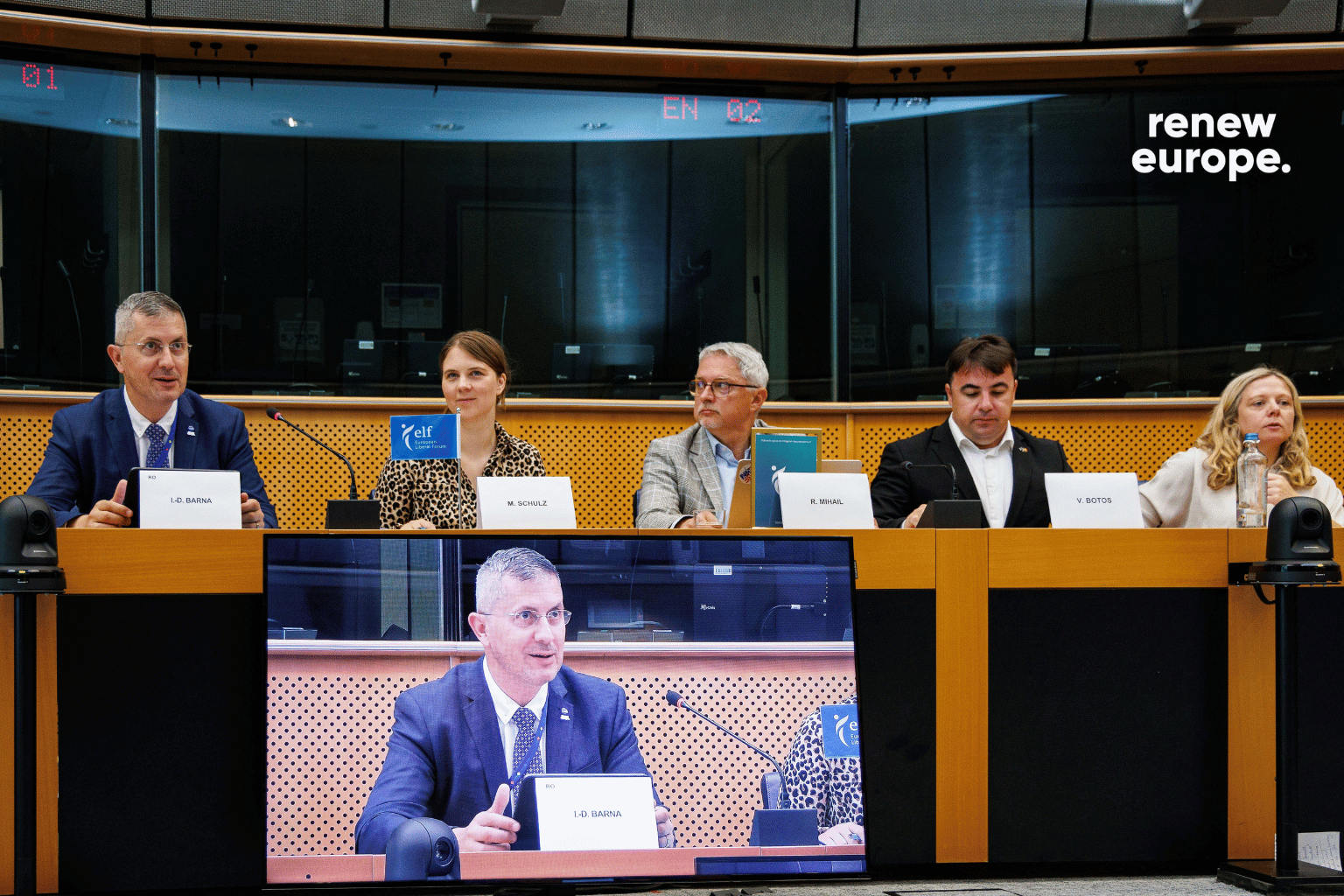
Delivering on the Competitiveness Agenda: Expert discussion on management excellence in Europe
It has been two years since the Draghi report provided a realistic assessment of the major competitiveness gap between the EU and other global players, as well as the multi-vector transformation Europe must undergo to remain relevant and competitive in the coming years and decades. However, a crucial factor has remained underexplored: implementing these ambitious changes is impossible without high-quality management. To close the competitiveness gap identified in the Draghi report, Europe needs to strengthen its managerial capacities. This imperative is equally relevant across all domains, in both the public and private sectors.
The ability to translate strategies into reality is one of the key factors that will define the quality and productivity of European policymaking, businesses, and public services in the years and decades to come. This insight is advanced by the policy paper The Art of Execution: Management as a Hidden Driver of Europe’s Competitiveness, published by the European Liberal Forum. To kick-start the debate and consensus-building on this crucial matter, I hosted a dedicated expert roundtable at the European Parliament.
First, the co-authors of the policy paper presented their reasoning and suggestions, in particular the European Management Capabilities Initiative (EMCI). Vlad Botoș, former Member of the European Parliament, argued that it is the quality of managerial capabilities that will define the future of Europe’s prosperity: “Managerial excellence is not a corporate luxury, but a macroeconomic priority.” His co-author, Radu Mihail, highlighted “the immense potential of the EMCI to boost competitiveness without adding to the financial and administrative burden.” This introduction was complemented by Prof. John Van Reenen from the London School of Economics, who presented the results of his research on the causal link between enterprise productivity and managerial excellence.
The presentations were followed by a lively exchange of views among business leaders, policy practitioners, academics, and social partners. They shared valuable insights from their fields of expertise and exchanged ideas on how European managerial practices can and should be strengthened to meet the demands of our time.
The first panel was dedicated to the European management tradition and best practices that could be leveraged and mainstreamed. Participants brought to the table the differences between European approaches to management versus those of the US and China, which result in differing levels of competitiveness. The imperative of collaboration and exchange of practices between the public and private sectors was repeatedly emphasized, as was the need for a tangible transformation within the next two years.
The second panel focused on integrating the managerial capacity perspective into existing competitiveness-related frameworks and initiatives without creating an additional burden. Experts from EU institutions, as well as social partners, insisted on the need for efficient public policies that specifically address management practices and align them with Europe’s current objectives and challenges.
There is a broad consensus across the political spectrum that the recommendations of the Draghi report must be implemented as a matter of priority. If we are serious about these goals, we cannot afford to ignore the missing piece of this complex puzzle. Managerial excellence and capacity-building can become key tools for delivering on the Draghi agenda and driving Europe’s competitiveness in the future.
Thank you to all the speakers for their excellent contribution to the event:
•Radu Mihail and Vlad Botoș - co-authors of "The Art of Execution"
•Prof. John Van Reenen - London School of Economics
•Prof. Stefano Caselli - Dean, SDA Bocconi
•Anthony Gooch Gálvez - Secretary General, ERT (European Round Table for Industry)
•Kjartan Bjornsson - Head of Unit, Governance and Public Administration, SG REFORM
•Gianluca Mulè - Deputy CEO & Chief Growth Officer, EFQM
•Stefan Olsson - DDG, DG EMPL
•Nayla Glaise - President, Eurocadres
•Valeria Ronzitti - General Secretary, SGI Europe
•Gerhard Huemer - Director Economic and Fiscal Policy, SMEunited
•João Cotrim de Figueiredo - MEP, Vice-President Renew Europe
•Matej Tonin - MEP, EPP, ITRE Committee
•Alva Finn - Executive Director, ELF
•Maartje Schulz - ELF
Beyond funding, management is the invisible infrastructure of European competitiveness.